Free Standard Shipping On Orders Over $179! | 500 + ⭐⭐⭐⭐⭐ Google Reviews | 100% Satisfaction Guarantee | Trust, Transparency & Quality - Delivered Right to Your Door!

New Food Pyramid: Is Lucky Charms Really Healthy?

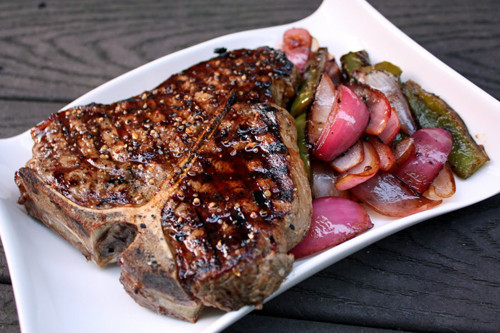
In this jaw-dropping blog post, we uncover the surprising results of a government-funded food pyramid that proclaims Lucky Charms to be healthier than steak! Get ready for an insightful journey through the Tuft Food Compass results, and discover the implications this revelation holds for our diets and perceptions of nutrition.
Food Isn’t Unlimited: How Your Choices Support Sustainable Farming

The idea that food is infinite is a myth. At Ferguson Farms, we embrace the importance of valuing every cut of meat—not just popular ones like chicken breasts. Supporting small, ethical farms means choosing a sustainable food system that respects the environment, reduces waste, and values humane practices. By purchasing a variety of cuts, you’re helping create a resilient and ethical food system while enjoying delicious, nutrient-dense, grass-fed meats. Start making a difference today by exploring our selection.

Pasture-Raised vs. Grass-Fed

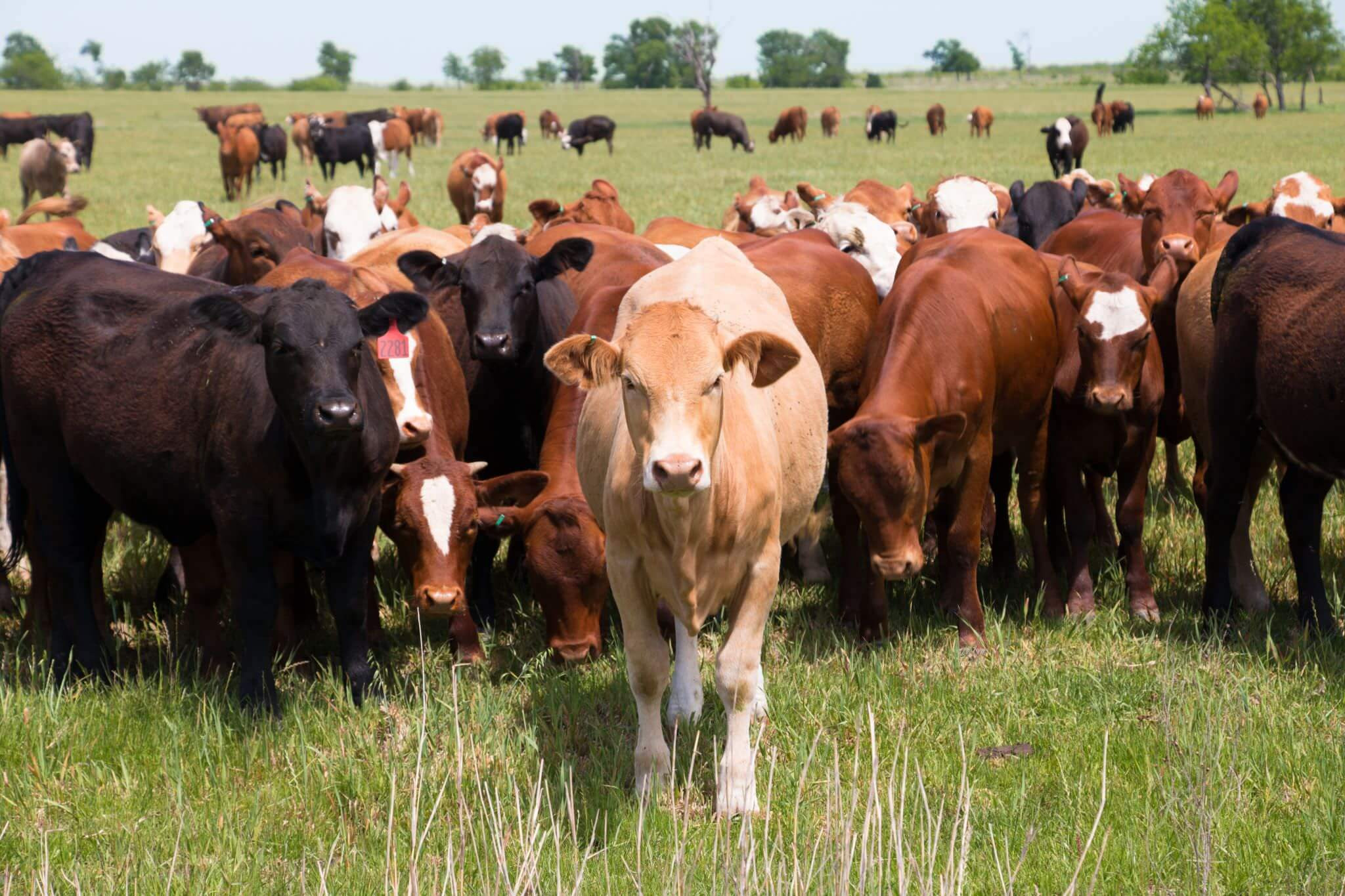
This blog clarifies the differences between pasture-raised and grass-fed meat. Grass-fed beef refers to cattle that primarily eat grasses but may be finished on grains, while pasture-raised animals roam freely on open pastures and consume a more varied diet. Both methods offer health benefits, but pasture-raised focuses more on animal welfare and ethical treatment. Grass-fed meat tends to be leaner and higher in omega-3 fatty acids, while pasture-raised meat is typically more flavorful. Both options support sustainable farming practices, making them better choices for the environment and health.

What is Organic Meat? A Guide to Understanding Its Benefits

This blog explores the meaning and benefits of organic meat, highlighting how it differs from conventionally raised meat. Organic meat is produced without the use of antibiotics, hormones, or synthetic pesticides, and animals are fed organic, non-GMO feed while having access to the outdoors. The post covers the health benefits, such as the higher nutritional value of organic meat, its impact on reducing environmental harm through sustainable farming practices, and its emphasis on animal welfare. Choosing organic meat supports ethical farming and provides superior flavor, making it a healthier and more sustainable option for consumers.

Grass-Fed vs. Corn-Fed Beef

This blog explores the key differences between grass-fed and corn-fed beef, focusing on diet, nutrition, environmental impact, and animal welfare. Grass-fed beef is leaner, more nutrient-dense, and offers higher levels of omega-3s and CLA, making it a healthier choice. It also supports sustainability through rotational grazing and soil enrichment, while corn-fed beef, raised in CAFOs, contributes to environmental degradation and lacks nutritional value. Additionally, grass-fed cattle are raised in humane conditions, unlike their corn-fed counterparts, which are confined in feedlots. Ultimately, grass-fed beef offers superior nutrition, sustainability, and ethical practices.

What Does Pasture-Raised Mean

This blog explains what pasture-raised means and highlights the benefits of raising animals in a natural environment. Pasture-raised animals roam freely, graze on nutrient-rich grasses, and live stress-free lives, resulting in healthier and more nutrient-rich meat. The blog covers the environmental benefits of pasture-raising, including improved soil health and reduced carbon footprints, as well as the ethical treatment of animals. By choosing pasture-raised meat, consumers support sustainability, animal welfare, and superior nutrition and flavor.

Ethically Sourced Meat

This blog explores the core principles behind ethically sourced meat at Ferguson Farms, focusing on animal welfare, sustainable farming practices, and environmental stewardship. Ferguson Farms raises pasture-raised animals in stress-free environments, ensuring humane treatment while producing high-quality, nutritious meat. The blog highlights how sustainable farming techniques, such as rotational grazing, benefit the land and the animals. Additionally, the post discusses the importance of avoiding antibiotics and hormones, and how ethical farming contributes to better nutrition and environmental sustainability. Readers will learn why choosing ethically sourced meat from Ferguson Farms supports healthier food and a healthier planet.

Sustainable Farming Practices

In this blog, we explore the sustainable farming practices at Ferguson Farms that prioritize environmental stewardship and animal welfare. Key methods include regenerative agriculture, which revitalizes soil health through rotational grazing, and water conservation, which minimizes water usage by focusing on pasture-based systems. We also discuss how promoting biodiversity and maintaining healthy soil contribute to the long-term sustainability of our farm. Additionally, the post highlights our commitment to animal welfare and the importance of supporting local food systems to reduce the carbon footprint. Sustainable farming at Ferguson Farms ensures the production of nutritious, ethically sourced meat while protecting the land for future generations.