Why 100% Grass-Finished Beef Has a Tangy Aroma
posted on
August 10, 2026
Opening a package of 100% grass-finished beef is a different experience than handling industrial, grain-fed meat. While almost all beef is "grass-fed" for the first part of its life, only a small fraction is truly **100% grass-finished**. For those new to premium, pasture-raised proteins, the first thing you may notice is a distinct, tangy aroma. In the world of high-end culinary arts, this is not just normal—it is a hallmark of nutritional density and a natural diet. Understanding the "aromatic signature" of real food is the first step in mastering the art of cooking with 100% grass-finished beef.
At Ferguson Farms, we believe that a conscious consumer wants to understand the science behind their food. That "sour" or "tangy" scent is the literal evidence of the high-quality forage our cattle consume. It is the smell of the land, preserved perfectly for your table.
Inside This Guide:
Key Takeaways
- A tangy aroma is a marker of quality. It is the natural scent of a 100% grass-finished diet.
- The "Bloom" is part of the process. Letting your meat sit for 20 minutes allows the natural aromas to balance.
- Smell the nutrients. Grassy and "green" notes are proof of a diet rich in chlorophyll and phytochemicals.
- Higher Omega-3 levels impact scent. Premium pasture-raised meat has a superior, more complex fat profile.
- Transparency you can smell. The distinct aroma is the natural evidence of a clean, chemical-free process that respects the integrity of the meat.
The Dietary Origin: Why Grass-Fed Has a Tang
The "sour" or "tangy" note is the defining characteristic of 100% grass-finished beef, and it comes directly from the pasture. While grain-fed animals are raised on a uniform diet of corn and soy—producing a very mild, neutral aroma—grass-finished animals spend their entire lives eating a diverse range of grasses, legumes, and forbs.
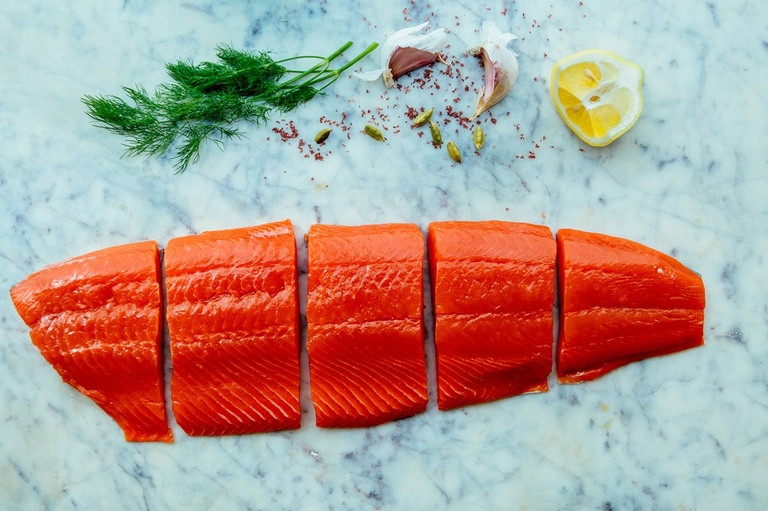
This diet is rich in chlorophyll, terpenes, and thousands of different volatile organic compounds (VOCs). These compounds are stored in the animal's fat and muscle, and they are the true source of that tangy, complex scent. You aren't smelling a defect; you are smelling the nutrients from the land. It is the same reason a wild-caught salmon from Bristol Bay has a deeper, more oceanic scent than a farm-raised one. You are smelling the environment where the animal thrived—and through our nationwide shipping, we bring that same level of environmental purity from our Central Florida pastures directly to your door.
The intensity of the aroma changes with the seasons. Beef finished on warm-season perennial pastures like Bahiagrass and Bermudagrass will have a distinct aromatic profile compared to cattle grazed on winter overseeded forages. This is the hallmark of a natural, seasonal food system in Central Florida.
Concentrated Nutrition: The Role of Vacuum Sealing
Our vacuum sealing process is designed to protect the integrity of the meat without using chemical preservatives or dyes. While this process is the most effective way to lock in flavor and nutrients, it also concentrates the natural aromatic signature of the beef. Because the meat is held in an oxygen-free environment, the natural plant compounds and lactic acid from the muscle tissue are held within the seal.

Think of it like a bottle of fine wine or a jar of sourdough starter. When you first break that seal, the natural, healthy aromas are released all at once. This "tang" is proof that the seal was tight and the meat has been preserved exactly as it should be—pure, honest, and untouched by industrial shortcuts.
The "Bloom": Letting Your Meat Breathe
Because vacuum sealing removes oxygen, the meat enters a natural state of "hibernation." This affects both the color and the smell. You might notice that vacuum-sealed beef looks darker or more purple than the artificially bright red meat you see in grocery store displays. This is because the myoglobin in the muscle hasn't been exposed to air yet.
Once you remove the meat from the package, it begins to "bloom." This is a natural two-part process:
- Aroma Balancing: As the concentrated natural gases escape, the initial tangy scent will balance out and vanish within 15 to 30 minutes.
- Color Development: As the myoglobin reacts with the air, the meat will shift from a dark purple to a vibrant, healthy red.
We always recommend letting your meat sit at a cool room temperature for about 20 minutes before cooking. In our Central Florida climate, this brief "bloom" time is all it takes to allow the meat to breathe and ensure a more even cook on the grill or in the pan.
The Science of Aroma Compounds
Scientific characterization of pasture-finished beef has identified the specific aroma molecules that create these distinct "earthy" and "tangy" notes. Research shows that grass-finished beef contains higher levels of compounds like **benzaldehyde, toluene, and dimethyl sulfone** compared to grain-fed beef. These are the chemical markers of a healthy animal raised in its natural habitat.
In contrast, grain-fed beef often shows higher levels of hexanal, which produces a more neutral, buttery scent. The aroma of 100% grass-finished beef is the chemical signature of a natural, high-fiber diet. You are smelling the complexity of real food that hasn't been diluted by industrial grain finishing. This is the aromatic signature of Central Florida ranching at its finest. This scent is the proof that the animal was never switched to a grain-heavy diet for "finishing."
Omega-3s and Healthy Fats
The nutritional profile of grass-finished meat also plays a role in its unique scent. Pasture-raised beef contains significantly higher levels of Omega-3 fatty acids compared to grain-fed beef. Omega-3s are highly beneficial for your health, and they are more chemically active than the saturated fats found in industrial animals.
When these healthy fats are exposed to air, they create a distinct aroma that is a direct marker of nutritional density. You are smelling the healthy fats and unique fermentation byproducts that make grass-finished beef a superior choice for your heart and brain health.
The Mastery of Grass-Finished Flavor
Cooking with 100% grass-finished beef is a mark of culinary mastery. It requires an appreciation for the nuances of flavor that industrial meat simply cannot provide. The "tang" you experience when opening the package is the precursor to the deep, beefy flavor that has made Ferguson Farms a favorite for chefs and health-conscious families alike.
By choosing grass-finished, you are opting out of a system that uses carbon monoxide and chemical washes to make meat look and smell "neutral." You are choosing a product that is as honest as the land it came from.
The Ferguson Farms Advantage
By using a **direct-to-consumer (DTC)** model, we bypass the grocery store shelf entirely. We vacuum-seal our meat immediately after processing and ship it frozen directly to your door. This "locks in" the nutritional integrity far more effectively than retail packaging. When you buy from Ferguson Farms, you are getting meat that has been handled as few times as possible, ensuring you receive the purest product available.
Experience the Ferguson Farms Difference
Our 100% grass-finished beef is raised right, processed ethically, and delivered fresh to your door. Support a better food system today.
Shop Ferguson FarmsSupporting Transparency
Every purchase you make from an independent farmer is a vote for transparency and health. **Supporting your farmer is more important now than ever before.** By choosing Ferguson Farms, you are choosing a system that respects the animal, the land, and your intelligence as a consumer.
Common Questions Answered
Why does my meat have a tangy aroma when I open it?
This "tangy" aroma is a direct result of the cow's 100% grass-finished diet. The diverse range of grasses and plants the animal consumes creates natural plant compounds and lactic acid in the muscle tissue. The vacuum seal simply concentrates these natural scents until the package is opened.
How long should I let the meat sit after opening?
We recommend letting the meat "bloom" for 15 to 30 minutes. This allows the concentrated natural aromas to dissipate and the color to brighten as the meat reacts with the oxygen in the air.
Why is grass-finished beef darker than grocery store beef?
Vacuum sealing removes oxygen, which causes the myoglobin in the meat to turn a dark purple. This is a sign of freshness, as it means the meat hasn't been exposed to air. Once opened and allowed to bloom, the meat will turn a vibrant red.
Does the aroma affect the final taste of the meat?
The aroma is a reflection of the diet, which translates into a more complex, earthy flavor profile. Once the meat has bloomed and is properly cooked, you'll experience the deep, rich flavor that is unique to 100% grass-finished beef.
Is the scent different in different seasons?
Yes. Because our cattle are 100% pasture-raised, their diet changes with the seasons. Beef finished on lush summer Bahia pastures may have a more pronounced aromatic profile than winter-grazed forage, reflecting the natural seasonal cycle of our Central Florida ranching climate.
How should I store my meat to maintain its freshness?
Keep the vacuum seal intact until you are ready to cook. Our packaging is designed to protect the meat from oxidation and maintain its nutritional integrity for up to 12 months in the freezer. Thaw slowly in the refrigerator for the best results.
Scientific & Industry References
- Tansawat et al. Chemical characterisation of pasture- and grain-fed beef related to meat quality and flavour.
- American Meat Science Association (AMSA). Meat Color Measurement Guidelines. (The industry standard for myoglobin oxygenation and the "bloom" process).
- National Cattlemen's Beef Association (Beef Checkoff). Beef Myoglobin and Color Stability.
- Nutrition Journal. A review of fatty acid profiles and antioxidant content in grass-fed and grain-fed beef.
- Journal of Animal Science. Nutritional composition of beef: a comparison of commercial grass-fed and grain-fed.
- ResearchGate. Branched chain fatty acids in the flavour of meat: A review.