Whole vs Half vs Quarter Cow: Which Grass-Fed Beef Share Is Right for You?
posted on
February 17, 2026
If you're planning to stock your freezer with bulk beef, the real question isn’t whether to buy.
It’s which size makes sense.
Quarter cow. Half cow. Whole cow.
Each option offers structured bulk purchasing advantages. The right choice depends on freezer space, household size, and how often your family cooks beef.

Quick Comparison: Quarter vs Half vs Whole Cow
| Share Size | Approx Take-Home Weight | Freezer Space Needed | Best For |
|---|---|---|---|
| Quarter Cow | ~105 lbs | 4–5 cubic feet | 2–4 person households |
| Half Cow | ~210 lbs | 8–10 cubic feet | Growing families |
| Whole Cow | ~420 lbs | 16+ cubic feet | Large households or shared purchase |
All Ferguson Farms beef shares are:
- 100% grass-fed and grass-finished cattle
- Raised without GMOs
- No added hormones
- No antibiotics
- USDA inspected
- Professionally butchered
- Vacuum sealed and flash frozen
- Delivered frozen nationwide
Browse all bulk options here:
Shop Bulk Beef Shares
Quarter Cow: The Most Popular Starting Point

A quarter cow is the most common entry point for families buying a cow share for the first time.
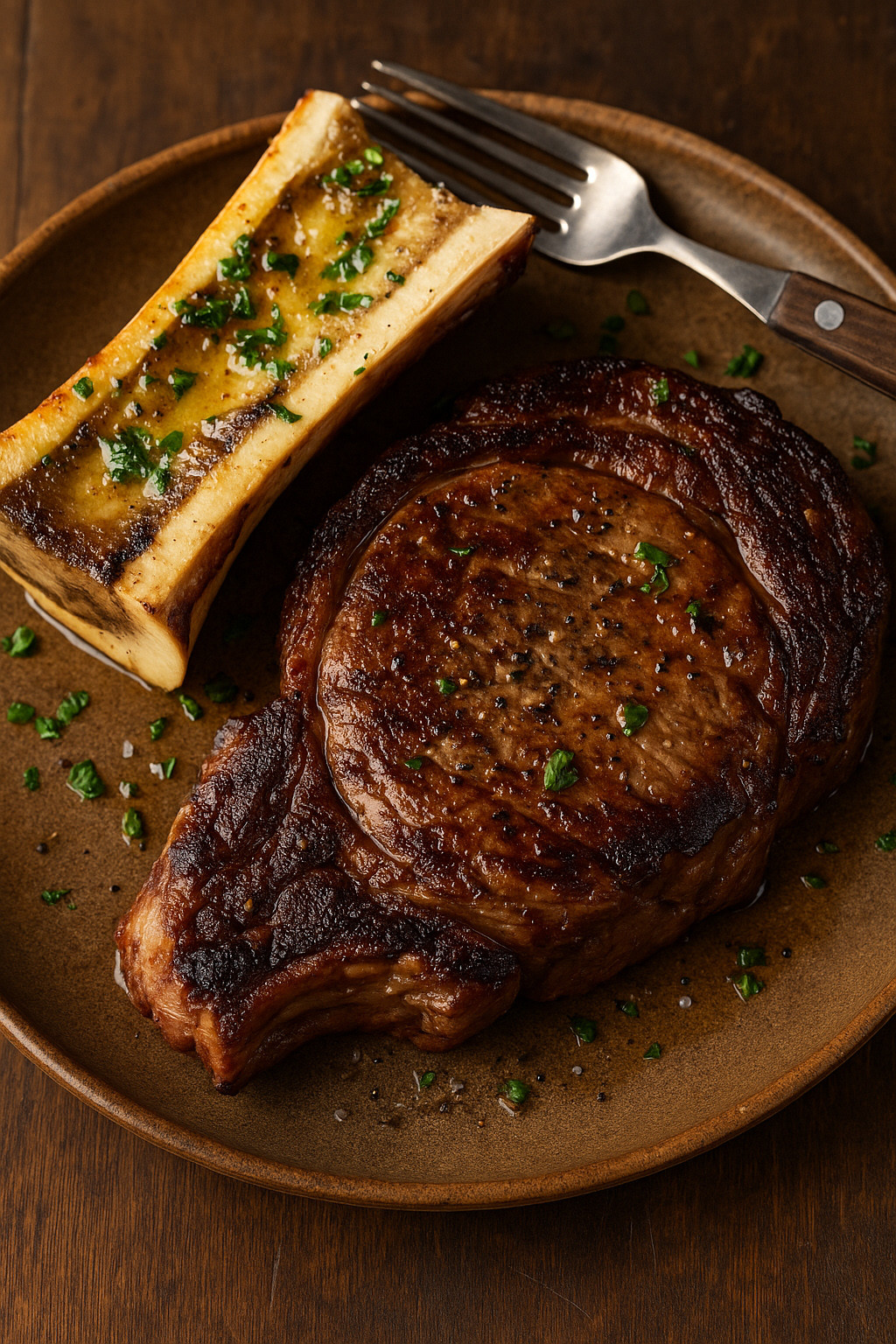
It typically includes a balanced mix of ribeye steak, sirloin steak, filet mignon, chuck roast, brisket, short ribs, soup bones, and ground beef.
This size allows households to experience the full range of cuts a butcher produces without committing to large freezer space.
Ideal if you:
- Cook beef multiple times per week
- Have limited freezer space
- Want stable cost per pound compared to grocery pricing
- Are new to buying bulk beef
Half Cow: Improved Unit Price Efficiency

A half cow doubles the take-home weight and generally improves the blended unit price compared to smaller purchases.
Because processing and butchering costs are distributed across more pounds of meat, buyers often see stronger long-term value per pound.
This option works well for:
- Families cooking beef 4–6 times weekly
- Meal prep households
- Buyers seeking fewer reorder cycles
Whole Cow: Maximum Long-Term Stocking

A whole cow provides the strongest long-term freezer strategy and typically the lowest blended cost per pound.
It is often shared between multiple households or purchased by families seeking long-term protein stability.
Because you receive the full range of cuts from the animal, variety is maximized — from premium steaks to roasts, bones for broth, and ground beef.
How Pricing Typically Works When Buying a Cow
When purchasing a quarter, half, or whole cow, pricing is often misunderstood. Some farms quote hanging weight, which reflects the weight before trimming and final butchering.
Ferguson Farms pricing reflects final packaged take-home weight — meaning the pounds you actually receive in vacuum-sealed cuts.
A Quarter Cow averages approximately 105 pounds of finished beef. Larger shares typically reduce the blended cost per pound due to bulk purchasing efficiency.
This approach provides clearer cost transparency and avoids confusion around yield differences after processing.
Freezer Space Considerations
Quarter: 4–5 cubic feet (small chest freezer or partial upright)
Half: 8–10 cubic feet (medium upright freezer)
Whole: 16+ cubic feet (large chest freezer or dedicated unit)
Proper freezer planning ensures organized storage without overcrowding and protects long-term meat quality.
How Delivery Works Nationwide

All shares are vacuum sealed, flash frozen, packed with dry ice, and shipped via UPS 1–2 Day service across the contiguous United States.
Which Beef Share Makes the Most Sense?
If you're unsure:
- Start with a Quarter Cow to understand your household’s consumption.
- Upgrade to a Half if beef is cooked consistently throughout the week.
- Choose a Whole Cow for maximum long-term stocking and lowest blended unit price.
The right choice aligns with freezer capacity, meal frequency, and long-term planning.
About the Author
Mike Ferguson is the founder of Ferguson Farms, a direct-to-consumer provider of 100% grass-fed and grass-finished beef delivered nationwide. He works directly with ranch partners to source cattle raised without GMOs, added hormones, or antibiotics and oversees bulk share offerings shipped frozen across the United States.